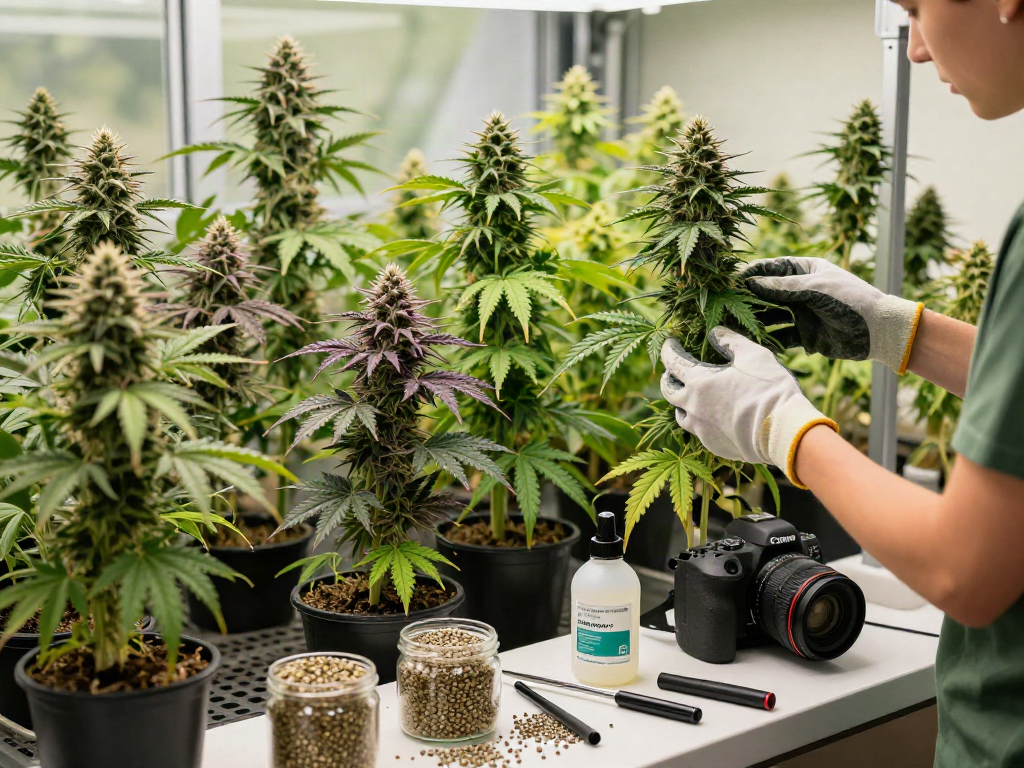
Understanding the Canadian CBD Brand Landscape
As the popularity of CBD continues to grow, the landscape of canadian cbd brand offerings becomes increasingly complex. Factors such as product quality, sourcing, and compliance with regulations are pivotal in shaping consumer perceptions and preferences. This article delves into what makes a CBD brand stand out in Canada, the history of these brands, and the ongoing trends that are influencing the market.
What Defines a Leading Canadian CBD Brand?
A leading Canadian CBD brand signifies more than just popularity; it embodies trust, quality, and consistency. Key characteristics include:
- Transparency: Brands must provide clear information about sourcing, extraction methods, and testing results.
- Quality Assurance: Rigorous third-party lab testing is essential to ensure products are safe and contain the advertised levels of cannabinoids.
- Sustainability: Eco-friendly practices in cultivation and packaging resonate with environmentally conscious consumers.
History of CBD Brands in Canada
The Canadian CBD market began to gain traction in the early 2010s, aligning with legislative changes that legalized medical cannabis use. As regulations evolved, numerous companies emerged, focusing on both medical and recreational products. By 2018, with the nationwide legalization of cannabis, the landscape exploded, leading to an influx of brands vying for consumer attention.
Current Trends in the Canadian CBD Market
In 2026, the following trends are shaping the Canadian CBD market:
- Diverse Product Offerings: Consumers can now choose from a wide range of products including oils, gummies, topicals, and beverages.
- Focus on Health and Wellness: An increasing number of Canadians are using CBD for anxiety, sleep issues, and chronic pain management.
- Personalization: Brands offer tailored solutions to meet individual needs, such as specific formulations for pets or targeted health concerns.
The Benefits of CBD Products for Canadians
CBD products offer numerous health benefits, reflecting their increasing popularity across diverse demographics and health needs. From mental health support to physical wellness, these products provide versatile solutions.
How CBD Supports Mental Health and Wellness
Research has shown that CBD may help alleviate symptoms of anxiety and depression by interacting with receptors in the brain associated with mood regulation. Regular users have reported a notable decrease in anxiety levels and an overall enhanced sense of calm.
Physical Benefits: Pain Relief and Inflammation Management
CBD is widely recognized for its anti-inflammatory properties, making it beneficial for those suffering from chronic pain conditions such as arthritis. Users often report reduced pain levels and improved mobility when incorporating CBD into their daily routines.
CBD for Pets: Addressing Pet Health Needs
Pet owners have increasingly turned to CBD products to help manage their pets’ health issues such as anxiety, pain, and inflammation. Formulations specifically designed for pets are becoming common, ensuring safe and effective options for our furry companions.
Choosing the Right Canadian CBD Brand for Your Needs
Selecting the appropriate CBD brand is crucial for achieving the desired wellness outcomes. Here are several guidelines to assist consumers in making informed choices.
Factors to Consider When Selecting CBD Products
When choosing a CBD product, consider these critical factors:
- Third-Party Testing: Look for brands that provide transparent lab results, ensuring product quality and safety.
- Extraction Methods: Preference should be given to brands using CO2 extraction, which is considered the safest and most efficient method.
- Full-Spectrum vs. Isolate: Decide whether you prefer full-spectrum products, which include a range of cannabinoids, or isolates that contain only CBD.
Understanding CBD Dosages and Consumption Methods
Proper dosing is critical to the effectiveness of CBD. It's essential to start with a low dosage and gradually increase until the desired effects are achieved. Users can choose from various consumption methods, including tinctures, capsules, edibles, and topicals, depending on their preferences and specific needs.
Reading Labels: What to Look For in Quality CBD
When reading labels, pay attention to the following aspects:
- Ingredient List: Ensure that the product contains natural ingredients without unnecessary additives or fillers.
- Cannabinoid Content: Check for the level of CBD and any other cannabinoids present to understand the product’s full benefits.
- Recommended Dosage: Look for clear dosing instructions to help guide your usage.
Innovative Products from Canadian CBD Brands
The Canadian CBD market is witnessing exciting innovation, leading to an array of products that cater to diverse needs and preferences.
Full Spectrum vs. THC-Free Options
The choice between full-spectrum and THC-free products often boils down to personal preference and specific health goals. Full-spectrum products provide the “entourage effect,” potentially enhancing the therapeutic benefits of CBD through the synergy of multiple cannabinoids, while THC-free options are ideal for those who wish to avoid THC altogether.
Edibles, Oils, and Topicals: Which One is Right for You?
Each form of CBD product serves different purposes:
- Edibles: These are great for discreet consumption and provide longer-lasting effects.
- Oils: Ideal for fast absorption and precise dosing, oils can be taken sublingually for quick relief.
- Topicals: Perfect for targeted relief of muscle and joint pain, topicals can provide localized benefits without systemic effects.
Exploring Emerging CBD Trends in 2026
As we move further into 2026, several emerging trends are shaping the Canadian CBD landscape. These include:
- Enhanced Bioavailability: Innovations in product formulations are aimed at improving the absorption rate of CBD for maximized effectiveness.
- Sustainability Initiatives: More brands are focusing on environmentally friendly practices, from sustainable sourcing to eco-conscious packaging.
- Integration with Other Therapies: There is growing interest in combining CBD with other wellness practices, such as mindfulness and physical therapy, for a holistic approach to health.
Frequently Asked Questions about Canadian CBD Brands
What is the legal status of CBD in Canada?
CBD is legal in Canada as part of the Cannabis Act, provided it is derived from industrial hemp and meets specific regulatory standards. The age of purchase varies by province, typically set at 19 years or older, except in Alberta and Quebec where the age is 18.
How do I know if a CBD brand is trustworthy?
Check for third-party lab testing results, customer reviews, and transparency regarding sourcing and manufacturing processes. A reputable brand will openly share this information with consumers.
Are there any side effects of using CBD products?
CBD is generally well-tolerated, but some users may experience mild side effects such as fatigue, diarrhea, or changes in appetite. It's wise to consult a healthcare professional, especially for individuals on medications.
How can I access assistance programs for CBD?
Many Canadian brands offer assistance programs for seniors and individuals with financial challenges. It's advisable to check directly with the brand or visit their website for application details.
What are the best practices for using CBD safely?
To ensure safe CBD use:
- Start with a low dose and gradually increase as needed.
- Keep track of your reactions and adjust dosages accordingly.
- Consult with a healthcare provider, particularly if you have pre-existing conditions or are taking medications.