
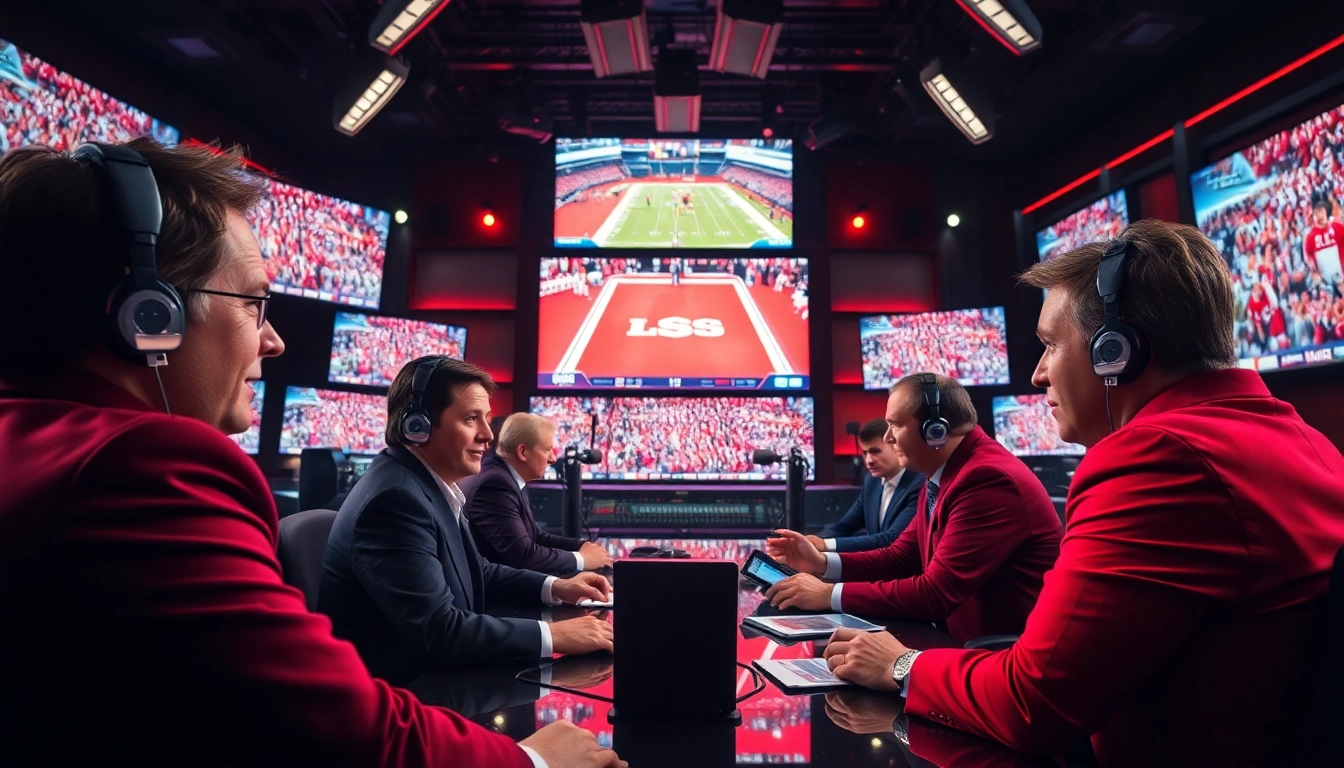
Understanding Sports Broadcasting
What is Sports Broadcasting?
Sports broadcasting refers to the distribution of sports content via various media channels, including television, radio, and online platforms. This dynamic industry plays a crucial role in bringing live sports events, highlights, and analyses to audiences worldwide. The primary aim is to engage fans and provide real-time coverage of sporting events, enabling viewers to follow their favorite teams and athletes closely. Specialties within this field include play-by-play commentary, analyst insights, and post-game reporting. The growth of streaming platforms has expanded how sports are consumed, making Sports Broadcasting more accessible than ever.
Key Players in Sports Broadcasting
The sports broadcasting landscape consists of various key players who work collectively to deliver engaging content. These players include:
- Broadcast Networks: Major television channels that secure rights to broadcast live sports events.
- Production Companies: Entities responsible for creating and producing sports content, including commentary, graphics, and live feeds.
- Digital Platforms: Streaming services that provide on-demand access to sports content, often featuring unique programming.
- Sponsors and Advertisers: Businesses that invest in sports media to gain visibility and engage with potential customers.
- Athletes and Teams: The subjects of broadcasting, whose performances drive audience interest and engagement.
Historical Evolution of Sports Broadcasting
Sports broadcasting has evolved significantly over the past century. It began in the early 1920s with radio broadcasts of sporting events, where audiences could listen to play-by-play commentary from their homes. Television brought a revolution in the 1950s, allowing visual coverage and expanding audiences. The 1980s and 1990s saw the emergence of cable sports networks, providing 24-hour sports coverage and specialized content. In the 21st century, the rise of the internet and mobile technology introduced live streaming, enabling audiences to watch events on the go. Today, sports broadcasting incorporates high-definition video, multi-camera angles, and interactive features, continuously innovating to enhance viewer interaction and experience.
Technologies Shaping Sports Broadcasting
Innovations in Live Streaming
The advent of high-speed internet has revolutionized live streaming in sports broadcasting. Gone are the days when fans were confined to traditional cable subscriptions; now, they can access content through platforms like YouTube, Facebook Live, and dedicated sports apps. Innovations like adaptive bitrate streaming allow users to experience uninterrupted viewing regardless of their internet speed. Additionally, the integration of Artificial Intelligence helps in optimizing streams based on viewer data, ensuring seamless accessibility at all times.
Role of Audience Engagement Tools
Engaging viewers is vital for the success of any sports broadcasting venture. Audience engagement tools, such as live polls, social media interactions, and gamification, have been increasingly integrated into broadcasts. These tools allow viewers to participate in the experience actively, creating a sense of community among fans. The use of augmented reality (AR) graphics enhances viewer understanding of complex plays and statistics, providing deeper insights during live events. Moreover, interactive capabilities allow audiences to select camera angles or access player stats, enhancing the overall viewing experience.
Impact of Virtual Reality in Sports Broadcasting
Virtual reality (VR) presents an exciting frontier for sports broadcasting, transforming how fans experience live events. VR technology allows fans to immerse themselves in a simulated environment, offering them the sensation of being in the stadium or arena from the comfort of their homes. This technology can provide different perspectives, enabling viewers to follow the action from various angles and even interact virtually with other fans. As the technology matures, expect to see more broadcasts incorporating VR to enhance viewer engagement and satisfaction positively.
Strategies for Effective Sports Broadcasting
Crafting Compelling Content
Crafting compelling content is at the heart of successful sports broadcasting. The narrative surrounding an event can significantly impact viewer engagement. Broadcasters should focus on storytelling elements, context-setting, and character development by highlighting athletes' journeys, rivalries, and memorable moments. Diversifying content through interviews, behind-the-scenes footage, and fan interactions can also enhance viewer connection to sports events. Incorporating data analytics to tailor content to audience interests ensures that broadcasts resonate with viewers and maintain their attention.
Leveraging Social Media Platforms
Social media offers a powerful tool for sports broadcasters aiming to reach wider audiences and foster engagement. Creating shareable content through platforms like Twitter, Instagram, and TikTok helps generate buzz around events and drive traffic to broadcasts. Live-tweeting during games, sharing highlights, and engaging with fans through Q&A sessions can significantly increase connection and viewership. Broadcasters should experiment with different formats such as short clips, memes, and player stories to attract diverse audience segments.
Building Partnerships with Sponsors
Partnerships with sponsors play a crucial role in the financial viability of sports broadcasting. Establishing collaborations with brands that align with the sporting event's ethos and audience values is essential. Broadcasters should work to create innovative advertising opportunities that integrate sponsor messages naturally into broadcasts without disrupting the viewer experience. Providing analytics to sponsors about audience engagement can further strengthen these relationships and foster long-term partnerships that benefit both parties.
Challenges in Sports Broadcasting
Navigating Legal and Regulatory Hurdles
Sports broadcasting is heavily regulated, posing unique challenges for broadcasters. Navigating legal hurdles, such as broadcasting rights, intellectual property laws, and content restrictions, can be complex. It’s vital for broadcasters to stay informed about changes in laws and regulations that could affect their operations. Working closely with legal experts and rights holders can help in crafting compliant broadcasting strategies while maximizing the potential for engaging and profitable content.
Competition from New Media Platforms
The rise of new media platforms has intensified competition in the sports broadcasting industry. Streaming giants, social networks, and emerging apps are vying for viewers’ attention, often offering flexible viewing options that traditional broadcasters may not match. To thrive, sports broadcasters must innovate consistently, adapt their strategies, and provide value-added content to retain and grow their audience base. Understanding audience preferences and leveraging technology will be crucial in standing out in this competitive landscape.
Adapting to Changing Audience Preferences
Audience preferences in sports broadcasting are shifting, influenced by various factors such as demographic changes and advancements in technology. Modern viewers often seek on-demand content and personalized viewing experiences. Broadcasters must remain agile and adapt their offerings to align with these preferences. Introducing alternative formats, such as highlight reels, condensed games, and interactive features, can cater to the modern audience. Engaging in regular audience feedback can guide broadcasters in optimizing their content strategies.
Future Trends in Sports Broadcasting
The Rise of Esports Broadcasting
Esports has emerged as a significant segment within sports broadcasting, capturing a dedicated audience and generating considerable revenue. As traditional sports broadcasters recognize the potential of esports, many are investing in broadcasting esports events alongside traditional sports. This hybrid approach broadens their audience and enhances their relevance in the growing gaming culture. Future trends may include partnerships with gaming platforms and increased production values to elevate esports broadcasts.
Personalization and Audience Analytics
Personalization is becoming increasingly vital in the future of sports broadcasting. Leveraging data analytics allows broadcasters to tailor content according to individual viewer preferences. Techniques such as targeted advertising, customized viewing options, and personalized notifications provide viewers with an experience that resonates with them. Broadcasters that effectively utilize audience analytics will build stronger relationships with fans, leading to increased engagement and loyalty.
Sustainability in Sports Broadcasting Operations
The growing emphasis on sustainability is finding its way into sports broadcasting operations. Broadcasters are exploring eco-friendlier production methods, including using renewable energy sources for events and reducing waste. Engaging in sustainability initiatives can enhance the brand image and appeal to socially conscious viewers. As environmental concerns become more prevalent, sports broadcasters that prioritize sustainable practices will likely attract and retain audience support.
Frequently Asked Questions
What are the primary mediums for sports broadcasting?
The primary mediums include television, radio, and increasingly, online streaming platforms, each offering varied ways to consume sports content.
How has technology impacted sports broadcasting?
Technology has enhanced coverage through live streaming, audience engagement tools, and innovations like VR and AR, elevating viewer experiences significantly.
What challenges do sports broadcasters face today?
Challenges include navigating legal regulations, competition from streaming platforms, and adapting to changing audience preferences in content consumption.
Why is social media important for sports broadcasting?
Social media boosts audience engagement, provides shareable content, and creates buzz around events, acting as a vital marketing tool for broadcasters.
How can broadcasters improve viewer retention?
Broadcasters can enhance retention through personalized content, interactive features, compelling storytelling, and regular engagement with their audience's feedback.