
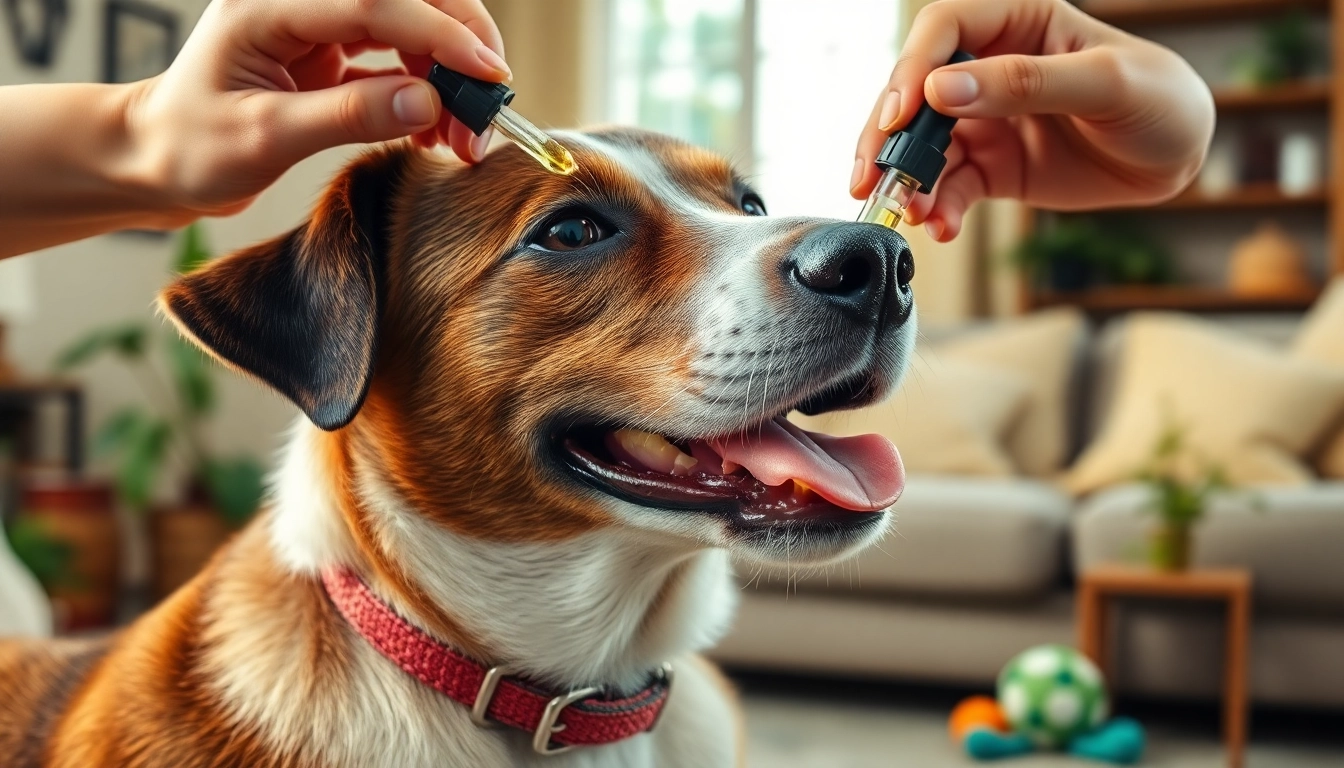
Introduction to CBD For Pet
As pet ownership continues to grow, more and more pet owners are turning to alternative remedies to enhance the health and well-being of their furry companions. One such remedy that has gained significant attention in recent years is cannabidiol, commonly known as CBD. This non-psychoactive compound derived from the hemp plant has shown considerable promise for a range of issues in pets. In this comprehensive article, we will delve deep into what CBD is, how it works for pets, the benefits it can provide, myths surrounding its use, and practical considerations for pet owners. For those looking to explore the positive impacts CBD may have on their pets, understanding CBD For Pet is essential.
What is CBD and How it Works for Pets?
CBD, or cannabidiol, is one of the many cannabinoids found in the hemp plant. Unlike THC (tetrahydrocannabinol), the most recognized cannabinoid, CBD does not have psychoactive effects. This means that pets consuming CBD will not experience a "high." Instead, CBD interacts with the endocannabinoid system (ECS)—a complex cell-signaling system present in all mammals. The ECS plays a vital role in regulating various physiological and cognitive processes, including mood, pain sensation, appetite, and immune function.
In pets, CBD is thought to modulate the ECS to promote balance and homeostasis, potentially providing therapeutic effects in areas such as anxiety reduction, pain relief, inflammation suppression, and even seizure management. By binding to cannabinoid receptors primarily located in the brain and peripheral nervous system, CBD may help alleviate a range of discomforts and health issues commonly faced by pets.
Benefits of CBD For Pet: What Pet Owners Should Know
Pet owners considering CBD for their furry friends should be aware of its multifaceted benefits. A growing body of anecdotal and scientific evidence suggests that CBD can support pets in numerous ways:
- Stress and Anxiety Relief: CBD may help attenuate stress and anxiety-related behaviors in pets, such as barking, whining, or destructive actions during stressful situations like thunderstorms or fireworks.
- Pain Management: Many pet owners report positive outcomes in managing chronic pain and inflammation, particularly for aging or arthritic pets.
- Improved Mobility: By helping to alleviate joint discomfort, CBD may promote enhanced movement and activity levels in pets struggling with mobility issues.
- Support for Digestion: Some research suggests CBD may have anti-nausea properties, potentially improving appetite and reducing gastrointestinal distress.
- Seizure Regulation: Preliminary studies indicate that CBD may help in managing seizures in pets, providing an additional tool for pet owners dealing with epilepsy.
Common Myths about CBD For Pet
Despite the burgeoning interest in CBD for pets, there are still several myths and misconceptions that persist. Addressing these falsehoods is crucial for educating pet owners:
- Myth 1: CBD Will Get My Pet High: As mentioned earlier, CBD is non-psychoactive, meaning it doesn't create the euphoric effects commonly associated with cannabis.
- Myth 2: All CBD Products Are Safe for Pets: Not all CBD products are created equal. Pet owners should choose products specifically formulated for pets, as human products may contain harmful additives.
- Myth 3: CBD is a Cure-All: While CBD can offer benefits, it is not a panacea. It’s essential for pet owners to consult their veterinarians and consider CBD as a complementary treatment alongside traditional veterinary care.
Health Benefits of CBD For Pet
Managing Anxiety and Stress with CBD For Pet
Pets can experience anxiety just like humans, stemming from a multitude of sources including separation, noise phobias, or unfamiliar environments. CBD has been increasingly recognized for its potential in alleviating these issues. Research shows that CBD may promote a sense of calm and relaxation in pets, helping reduce anxiety-related behaviors.
Pet owners have reported noteworthy improvements in their pets’ reactions to stressful situations following the administration of CBD. For instance, one study noted a significant decline in anxiety levels among dogs given CBD prior to exposure to loud noises. This suggests that CBD could serve as a viable option for pets exhibiting signs of stress or panic.
Supporting Joint Health and Mobility
For older pets or those suffering from conditions like arthritis, joint health is a paramount concern. CBD may help address these issues through its anti-inflammatory properties. By potentially reducing inflammation in the joints, CBD can facilitate easier movement and improve the overall quality of life for pets experiencing discomfort.
The anti-inflammatory effects of CBD may also play a role in enhancing recovery from injury or surgery, allowing pets to return to their normal activities more quickly. Pet owners increasingly seek out CBD as a means to support their pets' mobility and comfort as they age.
Potential Benefits for Aging Pets
Aging often brings a host of challenges for pets, including deteriorating health conditions and a decline in overall vitality. CBD may play a proactive role in enhancing the quality of life for senior pets by addressing common age-related issues such as chronic pain, decreased mobility, and cognitive dysfunction.
Moreover, some studies suggest that CBD can help manage conditions like canine cognitive dysfunction syndrome, which can lead to confusion, anxiety, and altered behaviors in older pets. By integrating CBD into an aging pet’s routine, owners may be able to offer some relief from these common challenges and enhance their pet's day-to-day experiences.
Choosing the Right CBD For Pet Product
Types of CBD Products Available for Pets
The market for CBD products tailored for pets has expanded considerably, offering a variety of formulations to suit different needs and preferences. Common types of CBD products for pets include:
- Oils and Tinctures: These are liquid forms of CBD that can be administered directly or added to food. They allow for precise dosing and quick absorption.
- Chews and Treats: Many pet owners prefer these because they are easy to administer and come in flavors pets enjoy. They may contain additional beneficial ingredients.
- Capsules: Similar to oils, these contain measured doses of CBD and are an option for pets that are difficult to dose directly.
- Topicals: These products are designed to be applied directly to the skin and can help address localized pain or inflammation.
Key Factors to Consider When Selecting CBD For Pet
When navigating the wide array of CBD products available for pets, owners should consider the following factors:
- Quality: Ensure the product undergoes third-party lab testing to confirm its purity and potency. This helps guarantee that the product is free from harmful additives.
- Source of Hemp: Look for products derived from organic hemp, as the quality of the hemp can significantly influence the CBD's effectiveness.
- Concentration: Understanding the concentration of CBD in the product is essential for determining an appropriate dosage.
- Full-Spectrum vs. Broad-Spectrum vs. Isolate: Full-spectrum products contain a range of cannabinoids and terpenes, which may enhance effectiveness through the entourage effect. Broad-spectrum contains similar compounds without THC, while isolates contain pure CBD.
How to Properly Dose CBD For Pet
Dosing CBD can be a nuanced process, as various factors such as the pet’s size, weight, and specific health condition can influence how they respond to CBD. General guidelines suggest the following:
- Start Low and Go Slow: A conservative approach is recommended. Begin with a low dose and gradually increase it until the desired effect is achieved.
- Weight-Based Dosing: Many products will provide a recommended dosage based on the pet's weight. Following these guidelines can offer a good starting point.
- Observe Effects: After administering CBD, monitor the pet closely to assess whether they are responding positively, and adjust the dosage if necessary.
Safety and Regulations Surrounding CBD For Pet
Understanding Legal Status of CBD For Pet Use
The legal status of CBD products can vary significantly depending on local laws and regulations. In the United States, hemp-derived CBD products containing less than 0.3% THC are federally legal. However, individual states may have their regulations regarding CBD for pets, and it is essential for pet owners to be informed about local laws before purchasing or administering CBD products.
Furthermore, while some veterinarians may offer advice regarding CBD, the Food and Drug Administration (FDA) currently does not approve CBD for use in pets, which can create an atmosphere of uncertainty. As such, pet owners should prioritize staying educated and engaging in discussions with knowledgeable professionals about the best approach.
Safety Concerns and Side Effects
While CBD is generally considered safe for pets, there are a few potential side effects to be aware of, including:
- Dry Mouth: CBD may reduce saliva production in pets, which could lead to increased thirst.
- Lowered Blood Pressure: Some pets may experience a temporary drop in blood pressure following CBD administration, leading to lethargy or dizziness.
- Drug Interactions: CBD might interact with other medications; therefore, it’s crucial to consult a veterinarian before beginning any CBD regimen.
It's vital for pet owners to observe their pets after administration, particularly when starting CBD for the first time. If any concerning reactions occur, discontinue use and consult a veterinarian.
Expert Opinions on CBD For Pet
Experts in veterinary medicine have begun to recognize the potential therapeutic benefits of CBD for pets. While clinical studies are still in the early stages, veterinarians are increasingly faced with the need to provide informed guidance to pet owners seeking alternative treatments.
Many professionals recommend a judicious approach, advising pet owners to consider CBD as part of a holistic wellness plan alongside traditional veterinary care. Incorporating professional insights into the decision-making process can help maximize benefits and minimize risks for pet health.
Real-Life Experiences and Success Stories
Testimonials from Pet Owners Using CBD For Pet
Anecdotal evidence abounds with pet owners sharing stories of their pets thriving after introducing CBD into their routines. For instance, numerous pet owners have reported significant improvements in their pets' anxiety levels during thunderstorms, leading to calmer behaviors and reduced destructive tendencies.
Further testimonials often highlight enhanced mobility for older pets who have regained their playful spirit after being introduced to CBD. These personal accounts are invaluable in fostering community dialogue among pet owners exploring similar options for their beloved companions.
Case Studies Demonstrating the Effects of CBD On Pets
Clinical studies and case reports are emerging, showcasing the benefits of CBD for various health issues in pets. Some research highlights a reduction in seizure frequency in dogs with epilepsy, providing a promising avenue for managing this challenging condition.
Further studies have examined the impact of CBD on inflammatory conditions, documenting measurable improvements in joint health and overall activity levels among pet participants. Such evidence supports the growing interest in CBD as a viable therapeutic agent for pets facing health challenges.
Connecting with Veterinary Professionals About CBD For Pet
Open communication with veterinarians is vital when considering CBD for pets. Pet owners should discuss their pet’s specific health issues and any existing medications to ensure a safe and effective approach to utilizing CBD.
Veterinarians can offer informed recommendations and help navigate the complex landscape of CBD products, guiding pet owners toward the best choices for their pets’ health. Engaging in a conversation fosters a partnership that can significantly enhance the pet’s well-being and quality of life.