Understanding the Concept of Weed Store
What is a Weed Store?
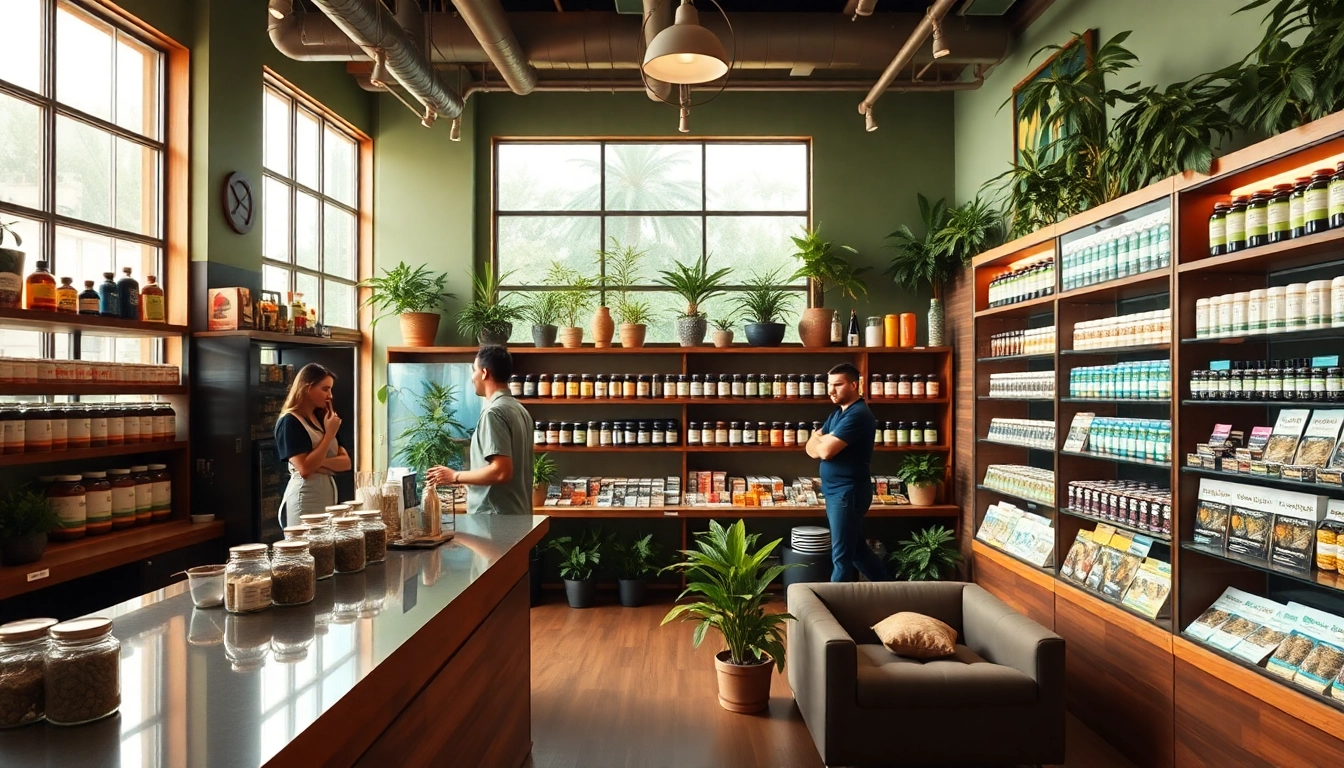
A weed store, often referred to as a cannabis dispensary, is a retail establishment where customers can purchase various cannabis products. These stores serve as a bridge between cannabis growers and consumers, providing legal access to marijuana for medical and recreational use. Located in areas where cannabis is legalized, these establishments typically offer a range of products including flower, edibles, concentrates, oils, and various accessories. The atmosphere in a weed store is usually welcoming and informative, as staff members are trained to assist customers in navigating their options and selecting products that meet their individual needs.
The essence of a weed store goes beyond mere transactions; it embodies a community space where education and wellness intersect. Here, customers can not only acquire cannabis products, but also gain insights into the benefits of cannabis, enhancing their understanding of how it might enhance their quality of life. For those interested in exploring the vast landscape of cannabis, a Weed Store can be an excellent starting point, providing valuable resources and products in a single, accessible location.
Types of Products Offered
Weed stores offer a diverse array of products tailored to meet various consumer preferences and needs. While the inventory might differ based on local regulations and store specialization, the following are common categories found in most cannabis dispensaries:
- Flower: This includes the raw cannabis buds that consumers can purchase and consume by smoking or vaporizing. Flower varieties are often categorized by strain type, such as Indica, Sativa, and hybrid.
- Edibles: These are food products infused with cannabis extracts, ranging from chocolates and gummies to beverages and baked goods. Edibles offer a smokeless alternative for consumption and typically have delayed yet potent effects.
- Concentrates: This potent form of cannabis includes extracts such as oils, waxes, and shatter. Concentrates are favored for their high THC levels and are consumed via dabbing or vaporizing.
- Tinctures: Tinctures are alcohol or oil-based cannabis extracts that provide a discrete method of consumption. Users typically administer tinctures under the tongue for quick absorption.
- Topicals: Cannabis-infused creams, balms, and lotions are applied directly to the skin. They are popular for localized relief of pain or inflammation without psychoactive effects.
Target Audience and Consumer Behavior
The target audience for weed stores is diverse, encompassing a wide range of demographics and psychographics. Traditionally, cannabis consumption has been associated with younger adults; however, recent trends indicate that older adults and wellness seekers are becoming increasingly significant market segments. Key groups include:
- Medical Patients: Individuals using cannabis to manage chronic pain, anxiety, insomnia, and other health conditions often rely on dispensaries for tailored products.
- Recreational Users: Those seeking cannabis for leisure or social purposes make up a large portion of the consumer base. This group varies widely in age and lifestyle.
- Wellness Enthusiasts: With a rising focus on holistic health, many consumers are exploring cannabis as part of their wellness and self-care routines, favoring products with therapeutic properties.
Consumer behavior in weed stores is influenced by several factors, including product knowledge, personal preferences, and safety concerns. Many customers prioritize quality and safety, often seeking out dispensaries that provide lab-tested products. Additionally, an increasing number of consumers prefer organic or sustainably sourced options, reflecting broader societal trends toward environmental consciousness.
Benefits of Shopping at a Weed Store
Access to Quality Products
One of the foremost benefits of purchasing from a weed store is access to high-quality cannabis products. Most dispensaries prioritize sourcing their products from reputable growers and manufacturers, ensuring that customers receive safe, effective, and tested cannabis. This is crucial not only for recreational satisfaction but also for medical integrity. Quality control measures often involve lab testing for potency and contaminants, which enhances consumer trust.
Expert Guidance and Consultation
Another significant advantage of weed stores is the availability of expert guidance from knowledgeable staff members. Customers, especially newcomers, may feel overwhelmed by the variety of products and consumption methods. Trained budtenders can offer personalized recommendations based on individual preferences, symptoms, and desired effects. This advisory role is important for fostering consumer education and ensuring that customers make informed decisions about their purchases.
Variety in Selection and Customization
Weed stores typically offer an extensive and diverse selection of products, enabling customers to choose from a wide range of strains, forms, and purposes. This variety allows consumers to experiment with different products to find what works best for them. Additionally, many dispensaries are open to tailoring recommendations to individual preferences, helping ensure a personalized shopping experience. Specialized product lines, such as vegan edibles or high-CBD strains, can cater to specific dietary needs or therapeutic goals, enhancing customer satisfaction.
Compliance and Regulations in Weed Store Operations
Understanding Local Laws
The operation of a weed store is heavily influenced by local laws and regulations regarding cannabis sales. In many jurisdictions, cannabis remains a controlled substance, and each state or region may have different laws about its cultivation, distribution, and consumption. Compliance is essential for legal operation and protecting consumer safety. Owners and operators must stay informed of regulatory changes and ensure that their practices align with legal requirements. This may involve understanding age restrictions, sale limits, and tracking protocols for inventory.
Licensing and Operational Requirements
To operate a weed store legally, businesses often require specific licenses. The process of securing these licenses can be complex and time-consuming, involving background checks, financial disclosures, and adherence to strict operational guidelines. Retailers might also need to implement security measures, such as surveillance systems, proper storage of inventory, and staff training on compliance and safety protocols.
Challenges and Best Practices
Operating a weed store comes with its set of challenges, including navigating regulatory landscapes, managing supply chains, and ensuring product quality. Best practices for overcoming these challenges include:
- Staying Educated: Continuous education regarding local laws and industry best practices is crucial for compliance and trust-building with customers.
- Networking with Industry Peers: Building a supportive network within the cannabis community can provide valuable insights and resources for navigating operational hurdles.
- Implementing Robust Inventory Management: Effective tracking of products can prevent shortages or overstock, helping maintain sales and compliance with tracking requirements.
Marketing Strategies for Your Weed Store
Effective Online Marketing Techniques
In an increasingly digital world, implementing effective online marketing strategies is essential for attracting customers. Techniques may include:
- Search Engine Optimization (SEO): Creating high-quality content that targets relevant keywords can boost visibility in search engine results, driving traffic to your website.
- Email Marketing: Developing a mailing list allows weed stores to communicate with customers about new products, sales, and educational content, fostering loyalty.
- Online Ordering and Delivery Services: Offering the option for online purchases can enhance customer convenience and expand your market.
Building Community Engagement
Building a strong local community is vital for the longevity of any weed store. Engaging with local customers and creating a positive reputation can be achieved through:
- Hosting Events: Organizing educational workshops, product demonstrations, and community outreach events can attract customers and create a sense of community.
- Collaborating with Local Businesses: Partnering with nearby businesses for joint promotions can widen exposure and foster goodwill.
- Participation in Local Fairs and Markets: Setting up booths at local events allows you to showcase products and engage directly with potential customers.
Leveraging Social Media Platforms
Social media is a powerful tool for marketing a weed store. Platforms like Instagram and Facebook provide venues for connecting with customers, sharing visual content, and promoting special offers. Strategies for effective social media utilization include:
- High-Quality Visual Content: Engaging imagery and videos can attract and retain followers, encouraging interaction with your posts.
- Regular Updates: Consistent posting about new arrivals, promotions, and educational content helps keep your audience engaged and informed.
- Building a Community: Encouraging user-generated content—such as reviews and testimonials—can bolster social proof and authenticity.
Future Trends in the Weed Store Market
Innovations in Product Offerings
The cannabis industry is constantly evolving, and innovation in product offerings will be a key driver of market success. Future trends might include:
- Expansion of Non-Psychoactive Options: As more consumers seek the therapeutic benefits of cannabis without the high, products rich in CBD or other cannabinoids will gain popularity.
- Enhanced Technology Solutions: The integration of technology in retail settings, such as augmented reality for virtual product trials, will personalize the shopping experience.
- Customized Products: Tailoring cannabis products to meet specific health outcomes or preferences will become more common, appealing to a broader audience.
Emerging Consumer Preferences
Understanding changing consumer preferences is critical for staying competitive in the market. Research suggests that consumers are increasingly drawn to:
- Organic and Natural Products: A growing number of customers prefer sustainably sourced and organic cannabis options, allowing for increased emphasis on transparency in production.
- Experiential Products: Consumers are gravitating toward products that offer unique experiences, such as flavored or infused options, aiming for multi-sensory consumption.
Sustainability Practices and Their Importance
As environmental awareness rises, incorporating sustainability practices will become vital for weed stores. Sustainable options can include:
- Eco-Friendly Packaging: Utilizing recyclable or biodegradable packaging can attract environmentally-conscious consumers and enhance brand image.
- Local Sourcing: Partnering with local growers promotes community support and minimizes carbon footprints associated with transportation.
- Waste Reduction Measures: Implementing strategies to minimize waste, such as reusing containers or composting organic materials, demonstrates corporate responsibility.